
Introduction
Becoming a better athlete requires dedication, discipline, patience, and consistent effort. Whether you play cricket, football, basketball, badminton, or any other sport, improving your athletic performance takes more than natural talent. You need to develop physical strength, speed, stamina, flexibility, and mental toughness. Following the right habits can help you perform better, avoid injuries, and build confidence on the field. In this article, we will explore 10 proven tips to become a better athlete and achieve your fitness and sports goals.
1. Set Clear and Realistic Goals
The first step toward becoming a better athlete is setting clear goals. Without a specific target, it can be difficult to measure your progress and stay motivated. Decide what you want to improve, such as running speed, muscular strength, endurance, or a particular sports skill.
Break your main goal into smaller, achievable steps. For example, if you want to improve your running performance, start by increasing your distance or reducing your time gradually. Write down your goals and review them regularly. Realistic targets help you stay focused, recognize improvements, and maintain motivation throughout your athletic journey.

2. Follow a Consistent Training Routine
Consistency is one of the most important factors in athletic development. Training occasionally may help you stay active, but regular practice is essential for improving performance. Create a weekly workout schedule that includes sports practice, strength training, cardiovascular exercise, and recovery.Better Athlete
Your routine should match your sport, fitness level, and personal goals. Avoid doing intense workouts every day without sufficient rest. Gradually increase the difficulty of your training as your body becomes stronger and more comfortable with the exercises.
Remember that progress takes time. Following a balanced routine consistently is more effective than training extremely hard for a few days and then stopping for several weeks.
3. Improve Your Strength and Power
Strength plays an important role in almost every sport. Strong muscles help athletes run faster, jump higher, maintain balance, and produce more powerful movements. Strength training can also improve stability and help your body handle the physical demands of sports.
Exercises such as squats, lunges, push-ups, planks, and resistance-band workouts can help develop overall strength. Athletes can also use weights when appropriate and when they understand proper technique.Better Athlete
Start with exercises suited to your current fitness level. Focus on correct form before increasing resistance. If you are a beginner, consider guidance from a qualified coach or fitness professional. A well-planned strength program can support better athletic performance over time.
4. Build Stamina and Endurance
Stamina allows athletes to perform physical activities for longer periods without becoming exhausted too quickly. It is especially important for sports such as football, cricket, basketball, hockey, and long-distance running.
To improve endurance, include activities such as jogging, cycling, swimming, or sport-specific conditioning in your training routine. Interval training, which alternates between periods of higher and lower intensity, may also help improve fitness when used appropriately.Better Athlete
Begin with manageable sessions and increase their duration or intensity gradually. Pay attention to your breathing and energy levels during workouts. Good endurance helps you maintain performance throughout a game, recover between efforts, and remain active during demanding competitions.
5. Eat a Balanced and Nutritious Diet
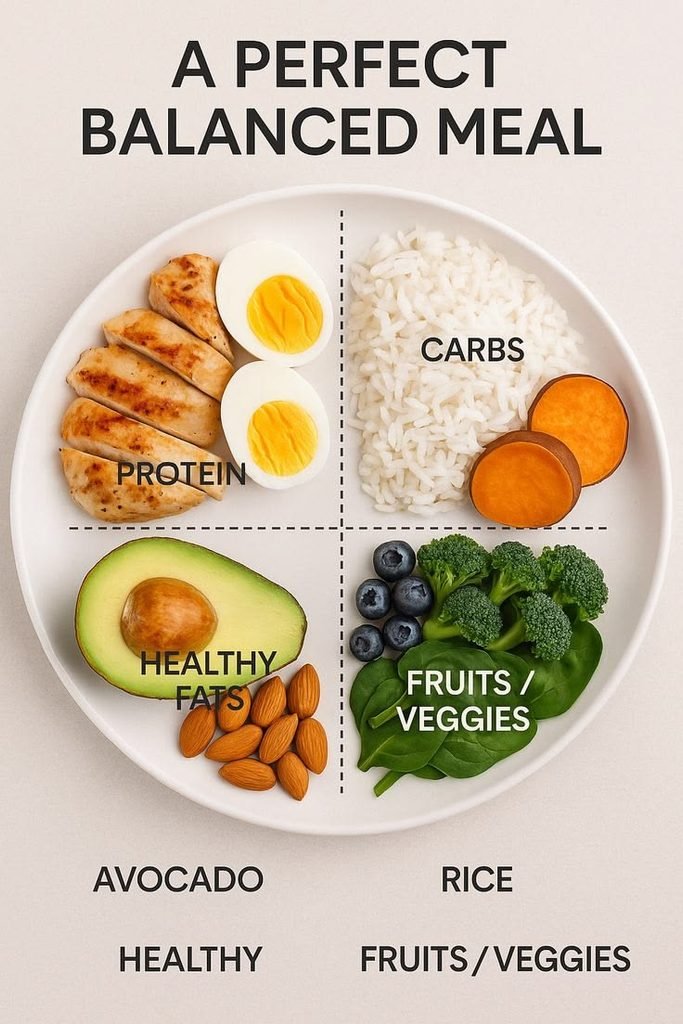
Nutrition provides the energy your body needs for training, recovery, and muscle development. Athletes should eat a balanced diet that includes carbohydrates, protein, healthy fats, vitamins, minerals, and sufficient fluids.Better Athlete
Carbohydrates from foods such as rice, oats, potatoes, fruits, and whole grains provide energy for exercise. Protein sources such as eggs, milk, yogurt, beans, lentils, fish, and lean meat help repair and maintain muscles. Nuts, seeds, and other healthy fat sources can also contribute to a balanced diet.
Try to eat regular, nutritious meals and avoid relying heavily on highly processed foods. Your nutritional requirements depend on your age, sport, training intensity, and health needs. A qualified sports dietitian can help you create a suitable eating plan.
6. Stay Hydrated Throughout the Day
Water is essential for regulating body temperature, supporting normal muscle function, and maintaining physical performance. Dehydration can contribute to fatigue, headaches, dizziness, and reduced exercise capacity.
Drink water regularly throughout the day, not just when you feel thirsty. During exercise, take water breaks according to the duration, intensity, and environmental conditions. Athletes training for long periods or exercising in hot weather may need additional fluids and electrolytes.
Pay attention to your body’s signals, especially during outdoor training. Avoid forcing yourself to drink excessive amounts of water in a short period. Developing good hydration habits can help you feel more comfortable and perform better during training and competition.
7. Prioritize Sleep and Recovery
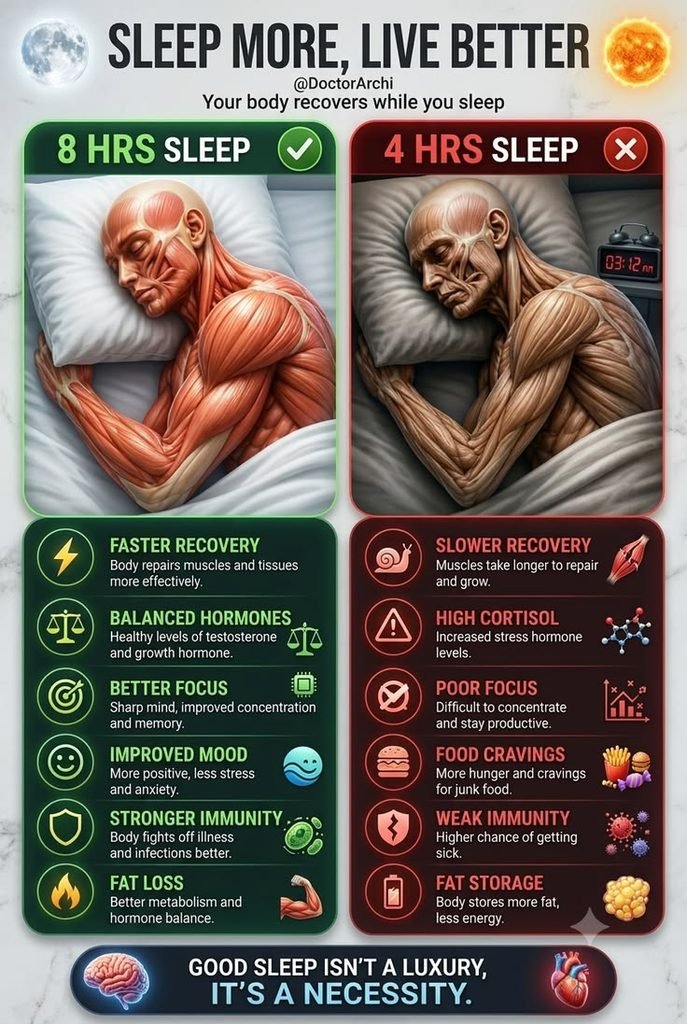
Rest is just as important as training when it comes to athletic improvement. During recovery, your body repairs tissues, restores energy, and adapts to the demands of exercise. Without enough rest, athletes may experience persistent fatigue, reduced performance, and a greater risk of injury.
Most adults benefit from seven to nine hours of sleep per night, while teenagers generally need eight to ten hours. Individual needs may vary depending on age, training load, and lifestyle.
Maintain a regular sleep schedule and create a comfortable sleeping environment. Include easier training days and rest days in your weekly routine. If you experience persistent soreness, unusual fatigue, or declining performance, consider reducing your training load and seeking professional advice when necessary.
8. Practice Sports-Specific Skills
Physical fitness alone does not make someone a successful athlete. Every sport requires specific technical skills, decision-making abilities, and coordination. Regular practice helps you improve these abilities and become more confident during competition.
For example, football players can practice passing, dribbling, shooting, and ball control. Cricket players can work on batting technique, bowling accuracy, and fielding. Basketball players can focus on dribbling, shooting, passing, and defensive movement.
Break complex skills into smaller parts and repeat them with proper technique. Practice under different conditions to improve adaptability. Working with a coach can help you identify mistakes and receive feedback that supports steady improvement.
9. Develop Mental Strength and Focus
Mental strength is a valuable part of athletic performance. Athletes often face pressure, competition, mistakes, and unexpected challenges. Staying focused and responding positively to difficult situations can help you perform more consistently.
Set aside time for mental preparation before training or competition. Visualization can help you mentally rehearse movements, while deep breathing may help you manage nervousness. Positive self-talk can also encourage confidence and help you focus on what you can control.
Do not allow one mistake or disappointing result to define your abilities. Instead, review what happened, learn from the experience, and identify what you can improve next time. A growth mindset helps athletes develop resilience and remain committed to long-term goals.

10. Track Your Progress and Learn From Feedback
Tracking progress helps you understand whether your training methods are working. Record useful information such as workout duration, running times, strength improvements, sports skills, sleep quality, and recovery.
You can use a notebook, spreadsheet, or fitness app to maintain a simple training log. Review your results every few weeks and identify areas that need improvement. Remember that progress is not always perfectly consistent, and occasional setbacks are normal.
Ask coaches, teammates, or qualified trainers for constructive feedback. They may notice technical problems or training habits that you have overlooked. Use their advice to adjust your routine and make informed decisions about your next steps.
Bonus Tip: Warm Up Before Every Workout
A proper warm-up prepares your body for physical activity. Begin with light movement, such as walking or easy jogging, followed by dynamic movements that match your sport. Examples include arm circles, leg swings, controlled lunges, and gradual acceleration drills.
A warm-up should increase your body temperature and prepare you for the movements you will perform during training. Avoid suddenly beginning intense exercise when your body is not prepared. After your workout, light movement and comfortable stretching may help you gradually return to a resting state.
Conclusion
Becoming a better athlete is a journey that requires consistent effort, smart training, and a commitment to healthy habits. Setting realistic goals, following a balanced workout routine, building strength and endurance, eating nutritious foods, staying hydrated, and getting enough sleep can all support athletic development.
Equally important are sports-specific practice, mental preparation, and regular progress tracking. Remember that every athlete develops at a different pace. Focus on improving your own performance rather than comparing yourself constantly with others.
Start by choosing two or three tips from this guide and incorporating them into your daily routine. As these habits become consistent, gradually work on the remaining areas. With patience, discipline, proper recovery, and a willingness to learn, you can build your athletic abilities and move closer to your sports goals.