
Introduction
Stress has become a common part of modern life. Whether it comes from work, studies, financial responsibilities, or personal relationships, constant stress can affect both physical and mental health. Many people rely on medication or temporary solutions, but yoga offers a natural and long-lasting way to reduce stress and improve overall well-being. By combining physical postures, breathing exercises, and meditation, yoga helps calm the mind, relax the body, and restore emotional balance. This guide explores how yoga can become a powerful tool for stress relief and improve your quality of life.
What Is Yoga?
Yoga is an ancient practice that originated in India over 5,000 years ago. It combines physical movements, controlled breathing, meditation, and mindfulness to promote harmony between the mind and body. Unlike many forms of exercise that focus only on physical fitness, yoga also strengthens mental and emotional health.
There are many styles of yoga, including Hatha Yoga, Vinyasa Yoga, Ashtanga Yoga, Yin Yoga, and Restorative Yoga. Each style has unique benefits, but all aim to improve flexibility, strength, concentration, and inner peace. For beginners, gentle yoga practices are ideal because they allow the body to adapt gradually while reducing stress effectively.
How Stress Affects Your Body and Mind
Stress is the body’s natural response to challenges or threats. While short-term stress can improve focus, chronic stress can lead to serious health problems. High stress levels increase cortisol production, which may cause headaches, fatigue, anxiety, depression, poor sleep, digestive issues, and weakened immunity.
Long-term stress also affects emotional stability and decision-making. People experiencing chronic stress often find it difficult to concentrate, maintain healthy relationships, and stay productive. Managing stress naturally through yoga helps prevent these negative effects and supports overall wellness.
How Yoga Helps Reduce Stress
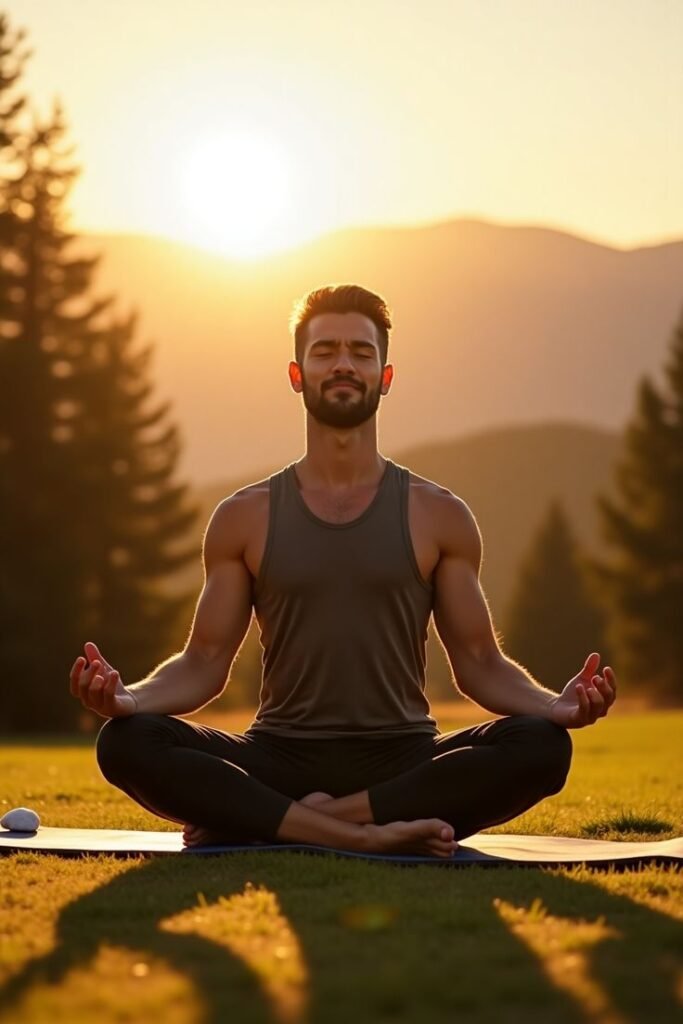
Yoga reduces stress by calming the nervous system and encouraging deep relaxation. Slow breathing activates the parasympathetic nervous system, lowering heart rate and reducing blood pressure. Meditation helps quiet racing thoughts and improves emotional resilience.
Regular yoga practice also increases the production of feel-good hormones like serotonin and dopamine while lowering cortisol levels. Over time, yoga improves emotional balance, enhances mental clarity, and promotes a positive outlook on life.
Best Yoga Poses for Stress Relief
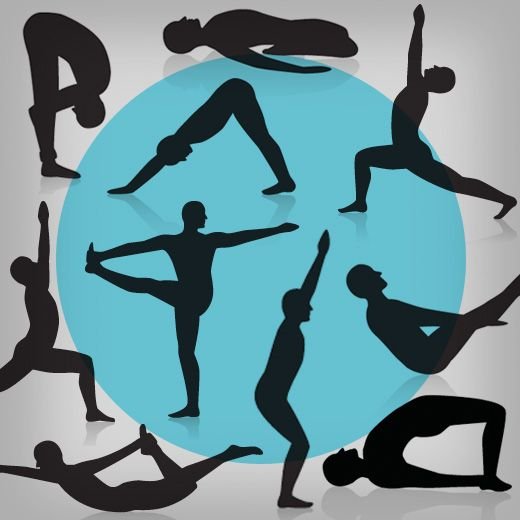
Several yoga poses are especially effective for relaxing the body and calming the mind.
Child’s Pose (Balasana)
This gentle resting posture stretches the lower back, hips, and shoulders while encouraging deep breathing. Child’s Pose helps release tension accumulated throughout the day and provides a sense of comfort and relaxation.
Cat-Cow Stretch (Marjaryasana-Bitilasana)
The Cat-Cow movement improves spinal flexibility while coordinating movement with breathing. It relieves stiffness, improves posture, and reduces physical tension caused by stress.
Legs-Up-the-Wall Pose (Viparita Karani)
This restorative pose improves blood circulation, reduces swelling in the legs, and calms the nervous system. It is particularly beneficial after long working hours or standing for extended periods.
Corpse Pose (Savasana)
Often practiced at the end of a yoga session, Savasana allows complete physical and mental relaxation. During this pose, practitioners focus on slow breathing and mindfulness, helping the body fully recover from stress.
Seated Forward Bend (Paschimottanasana)
This pose gently stretches the back and hamstrings while promoting relaxation. It encourages introspection and helps reduce anxiety by calming the nervous system.
The Importance of Breathing Exercises (Pranayama)
Breathing techniques play a significant role in stress management. Conscious breathing sends signals to the brain that it is safe to relax. Some effective breathing exercises include:
- Deep Belly Breathing
- Alternate Nostril Breathing (Nadi Shodhana)
- Box Breathing
- Ujjayi Breathing
- Bhramari (Bee Breath)
Practicing these breathing exercises for 5–10 minutes daily can significantly reduce stress and improve emotional control.
Meditation and Mindfulness in Yoga
Meditation is one of yoga’s most powerful tools for stress relief. Mindfulness meditation teaches individuals to focus on the present moment without judgment. Instead of worrying about the future or dwelling on the past, practitioners learn to observe thoughts calmly.
Regular meditation improves concentration, reduces anxiety, enhances emotional intelligence, and promotes inner peace. Even 10 minutes of daily meditation can create noticeable improvements in mental health.
Benefits of Practicing Yoga Regularly
Consistent yoga practice offers numerous physical and mental health benefits:
- Reduces anxiety and depression
- Improves sleep quality
- Lowers blood pressure
- Increases flexibility and strength
- Enhances concentration
- Boosts energy levels
- Improves posture
- Strengthens immunity
- Supports heart health
- Promotes emotional balance
These benefits make yoga one of the most effective natural stress management techniques available.
Creating a Daily Yoga Routine
A simple daily yoga routine does not require expensive equipment or a gym membership. Beginners can start with 20–30 minutes each day.
Suggested routine:
- 5 minutes of deep breathing
- 10 minutes of gentle stretching
- 10 minutes of yoga poses
- 5 minutes of meditation and relaxation
Consistency is more important than intensity. Even short daily sessions provide long-term health benefits.
Healthy Lifestyle Habits That Support Yoga
Yoga works best when combined with healthy daily habits.
- Eat nutritious, balanced meals.
- Stay hydrated throughout the day.
- Get 7–9 hours of quality sleep.
- Limit caffeine and processed foods.
- Spend time outdoors.
- Reduce unnecessary screen time.
- Practice gratitude every day.
These lifestyle changes enhance yoga’s ability to reduce stress naturally.
Common Mistakes Beginners Should Avoid
Many beginners expect immediate results or compare themselves with experienced practitioners. Avoid forcing difficult poses, holding your breath, skipping warm-ups, or practicing inconsistently.
Listen to your body, progress gradually, and focus on relaxation instead of perfection.
Conclusion
Yoga is much more than physical exercise—it is a complete mind-body practice that promotes relaxation, emotional balance, and better overall health. Regular yoga practice helps reduce stress naturally by calming the nervous system, improving breathing, and strengthening mental resilience. Whether you are dealing with workplace pressure, academic stress, or everyday challenges, yoga offers a simple, affordable, and effective solution. By practicing consistently and embracing mindfulness, you can build a healthier, happier, and more peaceful life.