Introduction
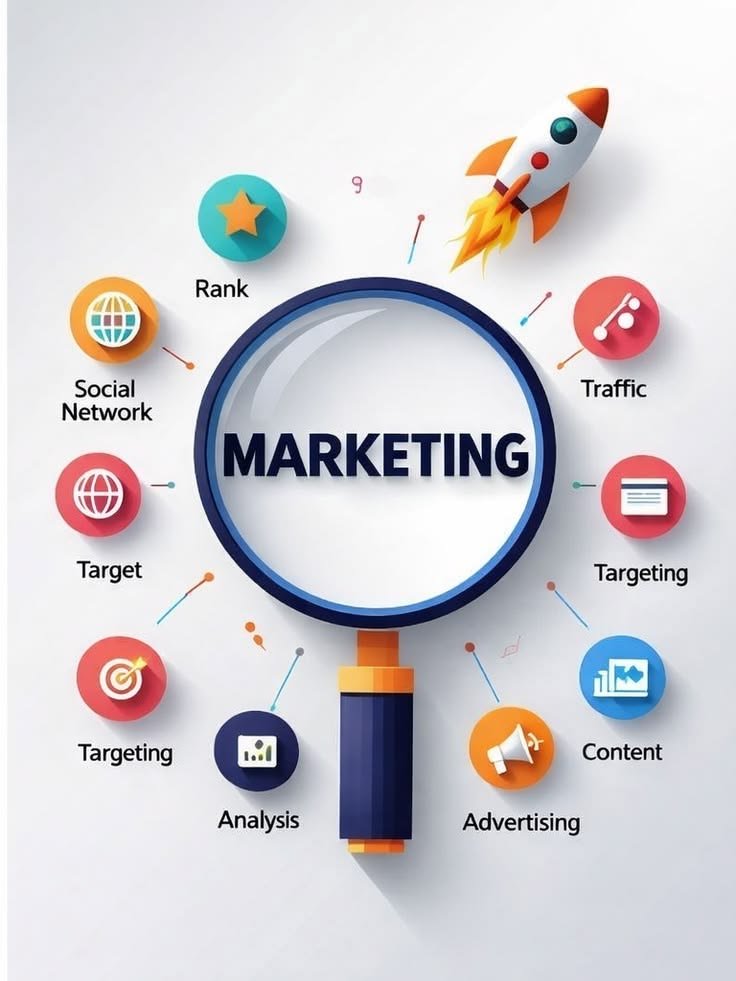
Digital marketing has transformed the way businesses connect with customers. From social media platforms to search engines, companies now have countless opportunities to reach their target audience. However, success in today’s competitive online environment requires more than simply creating a website or posting on social media. Businesses need a strategic approach that combines search engine optimization (SEO), content marketing, email campaigns, paid advertising, and data analytics. By understanding customer behavior and adapting to changing trends, organizations can build strong relationships, increase brand awareness, and achieve sustainable growth.
Understanding the Digital Marketing Landscape
The digital marketing landscape continues to evolve as new technologies emerge and consumer expectations change. Businesses must understand where their audiences spend time online and how they interact with different platforms. Search engines, social media, video content, podcasts, and mobile applications all play important roles in shaping customer experiences. Companies that stay informed about these developments can create marketing strategies that remain relevant and competitive in an increasingly digital world.
The Importance of Search Engine Optimization (SEO)
Search engine optimization is one of the most effective methods for increasing online visibility. SEO involves optimizing website content, improving page speed, using relevant keywords, and creating high-quality backlinks to improve search engine rankings. When a website appears on the first page of search results, it attracts more organic traffic and potential customers. Consistent SEO efforts also build credibility and trust, making it easier for businesses to compete without relying solely on paid advertising.
Content Marketing as a Growth Strategy
Content marketing focuses on providing valuable information that educates, entertains, or solves problems for potential customers. Blog posts, videos, infographics, podcasts, and downloadable guides help businesses establish authority within their industries. High-quality content encourages visitors to spend more time on a website, improves SEO performance, and increases the likelihood of social sharing. By consistently publishing useful content, businesses can nurture customer relationships and strengthen brand loyalty over time.
Social Media Marketing and Customer Engagement
Social media platforms have become essential marketing tools for businesses of all sizes. Networks such as Facebook, Instagram, LinkedIn, TikTok, and X enable companies to interact directly with customers and showcase their products or services. Successful social media marketing requires consistent posting, engaging visuals, authentic communication, and prompt responses to customer inquiries. Interactive features such as polls, live videos, and stories help businesses create meaningful connections while increasing audience engagement and brand recognition.
Email Marketing for Long-Term Relationships
Despite the popularity of social media, email marketing remains one of the highest-performing digital marketing channels. Personalized email campaigns allow businesses to communicate directly with subscribers by sharing updates, promotional offers, educational content, and product recommendations. Automated email sequences can nurture leads throughout the customer journey, encouraging conversions and repeat purchases. A well-planned email strategy strengthens customer loyalty while delivering measurable results through open rates, click-through rates, and conversion tracking.
The Role of Paid Advertising
Paid digital advertising offers businesses immediate visibility and targeted audience reach. Platforms such as Google Ads and social media advertising networks allow marketers to target users based on demographics, interests, location, and online behavior. While paid campaigns require financial investment, they can generate rapid traffic, leads, and sales when properly managed. Businesses should continuously monitor campaign performance, optimize advertisements, and test different creative approaches to maximize return on investment.
Data Analytics and Performance Measurement
Data analytics plays a critical role in modern digital marketing. Businesses must regularly monitor website traffic, user behavior, conversion rates, and campaign performance to identify strengths and opportunities for improvement. Analytics tools provide valuable insights into customer preferences, helping marketers make informed decisions based on real data rather than assumptions. By analyzing key performance indicators (KPIs), organizations can refine their marketing strategies and allocate resources more effectively.

Mobile Marketing and User Experience
The increasing use of smartphones has made mobile marketing a priority for businesses worldwide. Customers expect websites to load quickly, display correctly on all devices, and provide seamless navigation. Mobile-friendly websites, responsive design, and fast-loading pages contribute to improved user experiences and higher search engine rankings. Businesses should also consider mobile applications, SMS marketing, and location-based promotions to engage customers wherever they are.
Artificial Intelligence in Digital Marketing
Artificial intelligence is reshaping digital marketing by automating repetitive tasks and providing deeper customer insights. AI-powered chatbots deliver instant customer support, while machine learning algorithms analyze consumer behavior and predict purchasing patterns. Personalized product recommendations, automated content creation, and predictive analytics enable businesses to deliver highly relevant experiences that improve customer satisfaction. As AI technology continues to advance, marketers who embrace innovation will gain significant competitive advantages.
Building Customer Trust and Brand Reputation
Trust is one of the most valuable assets a business can develop. Transparent communication, authentic storytelling, customer reviews, and consistent branding all contribute to a positive reputation. Businesses should actively manage online reviews, address customer concerns professionally, and maintain high standards of product and service quality. Strong relationships built on trust encourage repeat business, positive referrals, and long-term customer loyalty.

Future Trends in Digital Marketing
Digital marketing will continue evolving with emerging technologies such as voice search, augmented reality, virtual reality, and personalized customer experiences. Businesses that remain flexible and willing to experiment with new strategies will be better positioned for future success. Continuous learning, regular strategy evaluation, and investment in innovative marketing tools will help organizations adapt to changing consumer expectations while maintaining competitive advantages.
Conclusion
Digital marketing is no longer optional for businesses seeking sustainable growth. Success depends on integrating multiple strategies, including SEO, content marketing, social media engagement, email campaigns, paid advertising, analytics, and mobile optimization. Organizations that focus on delivering value, understanding customer needs, and embracing technological innovation will build stronger brands and achieve long-term success. By continually adapting to market trends and measuring performance, businesses can create effective digital marketing strategies that drive meaningful results in an increasingly connected world.