
Introduction
Morning exercise is one of the healthiest habits you can develop to improve your physical and mental well-being. Whether you choose a brisk walk, yoga, cycling, jogging, strength training, or simple stretching, exercising early in the morning helps prepare your body and mind for a productive day. Many successful people include morning workouts in their daily routine because they understand the long-term benefits of staying active.
In today’s busy lifestyle, finding time for fitness can be challenging. Exercising in the morning ensures that your workout is completed before work, school, or family responsibilities begin. More importantly, morning exercise boosts energy levels, enhances mood, improves metabolism, and supports better overall health.
This guide explores the major benefits of morning exercise and explains why making it a daily habit can transform your lifestyle.
Why Morning Exercise Matters
The human body follows a natural biological clock known as the circadian rhythm. Exercising in the morning aligns well with this rhythm by helping your body wake up naturally. Morning workouts stimulate blood circulation, activate muscles, and increase oxygen supply throughout the body.
Starting your day with movement also creates a positive mindset. Instead of rushing into daily tasks feeling tired or stressed, you begin with energy and focus. This positive momentum often carries throughout the day, leading to healthier choices and greater productivity.
Boosts Energy Levels Throughout the Day
One of the biggest benefits of morning exercise is increased energy. Physical activity improves blood flow and delivers oxygen and nutrients to muscles and organs more efficiently. This helps your body function at its best.
Morning exercise also stimulates the release of endorphins, often called “feel-good hormones.” These natural chemicals improve mood, reduce fatigue, and increase motivation.
Unlike caffeine, which provides temporary energy, regular morning workouts offer long-lasting vitality without causing energy crashes later in the day.
Improves Mental Health and Reduces Stress
Exercise is a natural stress reliever. During physical activity, your brain releases chemicals like serotonin, dopamine, and endorphins that help improve mood and reduce anxiety.
Morning workouts can:
- Lower stress levels
- Reduce symptoms of depression
- Improve emotional balance
- Increase self-confidence
- Promote relaxation
Starting the day with exercise allows you to handle daily challenges more calmly and confidently.
Helps with Weight Loss
Morning exercise is highly effective for people trying to lose weight. Exercising before breakfast may encourage the body to burn stored fat for energy, although overall calorie balance remains the most important factor.
Regular morning workouts help by:
- Increasing calorie burn
- Boosting metabolism
- Reducing body fat
- Preserving lean muscle mass
- Supporting long-term weight management
Combining exercise with a healthy diet delivers the best results.

Improves Heart Health
Cardiovascular exercises such as walking, jogging, cycling, and swimming strengthen the heart and improve circulation.
Regular morning workouts help:
- Lower blood pressure
- Improve cholesterol levels
- Strengthen heart muscles
- Reduce the risk of heart disease
- Improve blood circulation
A healthy heart supports every organ in the body and contributes to a longer, healthier life.
Enhances Brain Function and Focus
Morning exercise doesn’t only benefit your body—it also sharpens your mind.
Physical activity increases blood flow to the brain, improving concentration, memory, and learning ability. Many people notice they can think more clearly and make better decisions after a morning workout.
Students and professionals alike often experience improved productivity and creativity when they exercise before beginning their daily tasks.
Strengthens Muscles and Bones
Strength training, bodyweight exercises, and resistance workouts performed in the morning contribute to stronger muscles and healthier bones.
Benefits include:
- Increased muscle strength
- Better balance
- Improved flexibility
- Reduced risk of osteoporosis
- Better posture
As we age, maintaining muscle mass becomes increasingly important for overall health and mobility.
Supports Better Sleep Quality
People who exercise regularly often enjoy deeper and more restful sleep.
Morning workouts help regulate your body’s internal clock, making it easier to fall asleep at night. Unlike late-evening workouts, exercising in the morning is less likely to interfere with bedtime.
Quality sleep improves recovery, memory, immune function, and overall health.
Builds Discipline and Healthy Habits
Exercising first thing in the morning creates consistency.
Since fewer distractions occur early in the day, you’re less likely to skip your workout due to unexpected meetings, fatigue, or social commitments.
Over time, this consistency builds self-discipline and encourages other healthy habits such as:
- Eating nutritious meals
- Drinking enough water
- Maintaining a regular sleep schedule
- Managing time effectively
Healthy habits often reinforce one another, leading to long-term success.

Improves Immunity
Moderate exercise strengthens the immune system by improving circulation and supporting the movement of immune cells throughout the body.
Regular morning exercise may help:
- Reduce the risk of common illnesses
- Improve recovery
- Lower inflammation
- Support overall wellness
When combined with proper nutrition and adequate sleep, exercise becomes a powerful tool for maintaining good health.
Increases Productivity
Morning exercise prepares your body and mind for a productive day.
After working out, many people experience:
- Better concentration
- Higher motivation
- Faster decision-making
- Increased creativity
- Improved time management
These benefits can improve both academic and professional performance.
Best Morning Exercises
You don’t need an intense workout to experience the benefits. Choose activities that match your fitness level.
Popular morning exercises include:
- Brisk walking
- Jogging
- Running
- Yoga
- Stretching
- Cycling
- Jump rope
- Strength training
- Bodyweight exercises
- Swimming (if available)
Aim for at least 30 minutes of moderate exercise most days of the week.
Tips for Creating a Morning Exercise Routine
Building a sustainable routine takes planning.
Follow these tips:
- Sleep 7–9 hours each night.
- Prepare workout clothes before bed.
- Drink water immediately after waking up.
- Eat a light snack if needed.
- Start with 15–20 minutes and gradually increase.
- Choose activities you genuinely enjoy.
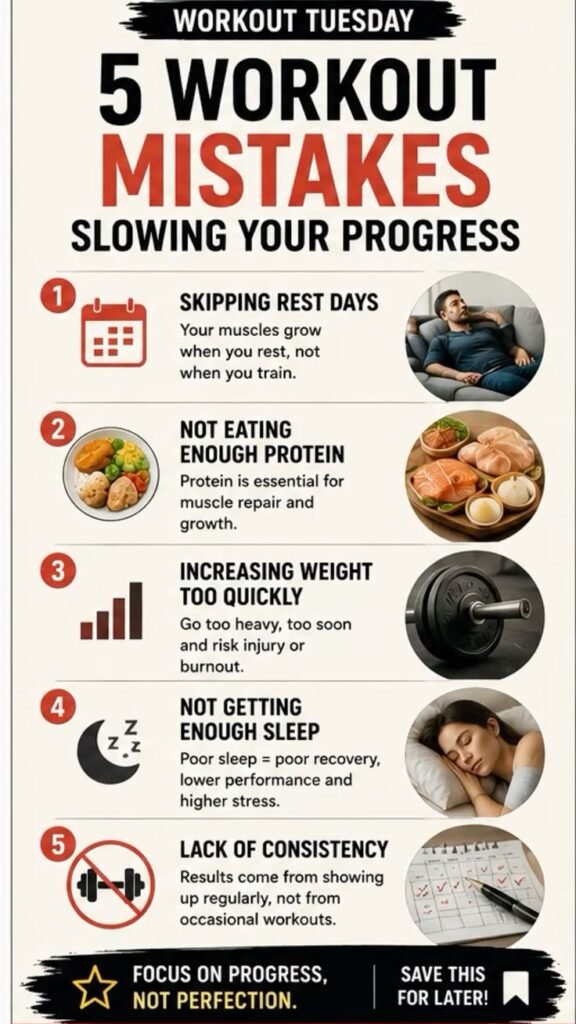
- Stay consistent rather than aiming for perfection.
- Track your progress to stay motivated.
Consistency matters more than intensity.
Common Mistakes to Avoid
Many beginners lose motivation due to unrealistic expectations.
Avoid these mistakes:
- Skipping warm-ups
- Overtraining
- Ignoring hydration
- Exercising on very little sleep
- Comparing yourself with others
- Expecting instant results
Listen to your body and increase workout intensity gradually.
Conclusion
Morning exercise is one of the simplest and most effective ways to improve your overall health. From boosting energy and strengthening your heart to reducing stress, improving focus, supporting weight loss, and enhancing sleep quality, the benefits extend to every aspect of daily life.
The key to success is consistency. You don’t need expensive equipment or long workout sessions. Even 20–30 minutes of regular physical activity each morning can produce significant improvements over time. By making morning exercise a part of your daily routine, you’ll enjoy better physical fitness, improved mental health, and a happier, more productive lifestyle.