
Starting a small business in 2026 is one of the smartest ways to achieve financial independence and build a long-term career. With digital technology, AI-powered tools, and online marketplaces becoming more accessible, entrepreneurs have more opportunities than ever before. Whether you want to start an online store, a local service business, or a home-based startup, having a clear strategy is the key to success.
This guide will walk you through every essential step to start a successful small business in 2026.
Why Start a Small Business in 2026?
The business landscape has changed dramatically over the past few years. Consumers are shopping online, businesses are using automation, and digital marketing has become more affordable than traditional advertising.
Benefits of starting a small business include:
- Be your own boss
- Unlimited earning potential
- Flexible working hours
- Opportunity to solve real-world problems
- Build long-term wealth
- Create employment opportunities
- Work from anywhere with an online business
With proper planning and dedication, even a small investment can turn into a profitable business.
Choose the Right Business Idea
Every successful business begins with a great idea. The best business idea is one that matches your skills, interests, and market demand.
Popular business ideas in 2026 include:
- Digital marketing agency
- AI consulting
- Freelancing
- E-commerce store
- Print-on-demand business
- Blogging
- YouTube channel
- Mobile app development
- Online coaching
- Graphic design services
- Web development
- Social media management
- Affiliate marketing
- Dropshipping
- Handmade products
Before selecting a business idea, ask yourself:
- Does people need this product?
- Can I solve a common problem?
- Is the market growing?
- Can I earn profit consistently?

Conduct Market Research
Market research helps you understand your customers and competitors.
Research should include:
Identify Your Target Audience
Understand your ideal customer by considering:
- Age
- Gender
- Income
- Interests
- Buying habits
- Location
Knowing your audience helps you create products people actually want.
Analyze Competitors
Study businesses already operating in your niche.
Check:
- Pricing
- Products
- Customer reviews
- Marketing strategies
- Website quality
- Social media presence
Learn from their strengths while improving their weaknesses.
Create a Business Plan
A business plan serves as your roadmap.
Include:
Business Overview
Explain:
- Business name
- Mission
- Vision
- Objectives
Products or Services
Describe what you’re selling and why customers should choose you.
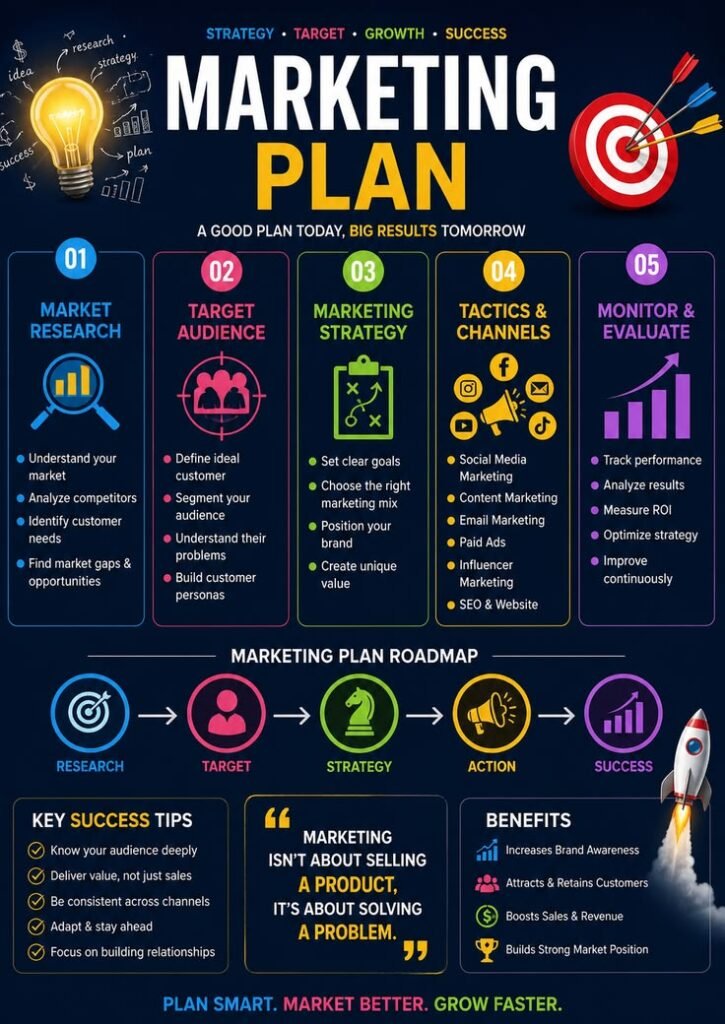
Marketing Strategy
Mention how you’ll attract customers using:
- SEO
- Social media
- Email marketing
- Paid ads
- Referral marketing
Financial Plan
Estimate:
- Startup costs
- Monthly expenses
- Revenue
- Expected profits
Having a business plan also makes it easier to secure funding.
Register Your Business
Legal registration depends on your country, but common steps include:
- Register your business name
- Obtain required licenses
- Apply for tax registration
- Open a business bank account
- Get necessary permits
Operating legally builds customer trust and protects your business.
Calculate Startup Costs
Many small businesses can begin with minimal investment.
Common expenses include:
- Website
- Domain name
- Hosting
- Business registration
- Marketing
- Equipment
- Software
- Product inventory
Creating a budget helps prevent unnecessary spending.
Build Your Brand
A strong brand helps customers recognize and trust your business.
Your brand should include:
- Professional logo
- Business colors
- Brand voice
- Website
- Social media profiles
Consistency across all platforms builds credibility.
Create a Professional Website
Every business needs an online presence.
Your website should include:
- Homepage
- About Us
- Services
- Products
- Contact page
- Blog
- Privacy Policy
Optimize your website for:
- Fast loading speed
- Mobile devices
- SEO
- User-friendly navigation
A professional website acts as your digital storefront.
Use Digital Marketing
Marketing is essential for attracting customers.
Effective strategies include:
Search Engine Optimization (SEO)
Optimize your website using relevant keywords so customers can find your business on search engines.
Content Marketing
Publish valuable blog posts, videos, and guides to educate your audience and build trust.
Social Media Marketing
Promote your business on platforms like:
- X (Twitter)
Engage with your audience regularly to build a loyal community.
Email Marketing
Collect email subscribers and send:
- Promotions
- Newsletters
- Product updates
- Helpful tips
Email marketing offers one of the highest returns on investment.
Manage Your Business Finances
Proper financial management is critical for long-term success.
Track:
- Sales
- Expenses
- Profit
- Taxes
- Cash flow
Using accounting software can simplify bookkeeping and reporting.
Deliver Excellent Customer Service
Happy customers often become repeat buyers and recommend your business to others.
Best practices include:
- Respond quickly to inquiries
- Solve customer problems professionally
- Offer quality products
- Collect customer feedback
- Improve based on reviews
Strong customer relationships can drive sustainable growth.
Leverage AI and Automation
In 2026, AI tools can save time and improve productivity.
Use AI for:
- Content creation
- Customer support chatbots
- Email automation
- Data analysis
- Social media scheduling
- Inventory management
Automation allows you to focus on growing your business instead of repetitive tasks.
Monitor Business Performance
Track key performance indicators (KPIs), such as:
- Website traffic
- Conversion rate
- Customer acquisition cost
- Customer lifetime value
- Monthly revenue
- Profit margin
Regular analysis helps you identify opportunities for improvement.
Common Mistakes to Avoid
Many new entrepreneurs fail because they make avoidable mistakes.
Avoid:
- Starting without research
- Ignoring customer feedback
- Overspending
- Poor financial planning
- Weak marketing
- Giving up too early
- Trying to serve everyone instead of a specific audience
Learning from mistakes is an important part of business growth.
Tips for Long-Term Success
To build a successful business:
- Keep learning new skills
- Stay updated with market trends
- Focus on customer satisfaction
- Build a strong online presence
- Invest in marketing
- Network with other entrepreneurs
- Continuously improve your products and services
Consistency and patience are often the biggest factors behind long-term success.
Conclusion
Starting a small business in 2026 offers incredible opportunities for entrepreneurs willing to plan carefully and work consistently. By choosing the right business idea, conducting market research, creating a solid business plan, building a professional brand, and using modern digital marketing strategies, you can establish a profitable and sustainable business. Focus on delivering value to your customers, embrace technology, and keep improving your operations over time. With dedication and smart decision-making, your small business can thrive in today’s competitive market and achieve lasting success.