
Introduction
In today’s digital economy, many people dream of becoming their own boss. Two of the most popular career paths are freelancing and starting a business. While both offer independence and the opportunity to earn money on your own terms, they are very different in how they operate, grow, and generate income.
Choosing between freelancing and business depends on your goals, skills, financial situation, and lifestyle preferences. If you enjoy working independently and selling your skills, freelancing may be the perfect option. If you want to build a company, hire employees, and create long-term wealth, starting a business could be the better path.
This guide explains the differences, advantages, disadvantages, and helps you decide which is right for you.
What Is Freelancing?
Freelancing is a self-employed career where individuals provide services to multiple clients instead of working for a single employer. Freelancers are paid for their work on a project, hourly, or contract basis.
Common freelance services include:
- Content Writing
- Graphic Design
- Web Development
- Digital Marketing
- Video Editing
- SEO Services
- Translation
- Virtual Assistance
Freelancers usually find clients through online platforms, social media, referrals, or personal websites.
What Is a Business?
A business is an organization that sells products or services with the goal of making a profit. Unlike freelancing, a business is not entirely dependent on one person’s time. Businesses can hire employees, automate operations, and expand into larger markets.
Examples include:
- E-commerce stores
- Digital marketing agencies
- Restaurants
- Software companies
- Manufacturing companies
- Educational platforms
Businesses focus on creating systems that continue generating income even when the owner isn’t personally doing every task.
Freelancing vs Business: Major Differences
Although freelancing and business both involve self-employment, there are significant differences.
Freelancing
- You sell your personal skills.
- Income depends on your time.
- Lower startup costs.
- Easy to begin.
- Usually work alone.
- Limited scalability.
Business
- You sell products or build systems.
- Income isn’t limited by your personal hours.
- Higher investment required.
- Can hire employees.
- Easier to scale.
- Long-term wealth potential.
Advantages of Freelancing
1. Low Startup Cost
Freelancing requires very little investment. A laptop, internet connection, and professional skills are often enough to begin.
This makes freelancing an excellent option for beginners.
2. Flexible Working Hours
Freelancers decide:
- When to work
- Where to work
- Which clients to accept
This flexibility improves work-life balance.
3. Fast Income
Unlike many businesses that may take months before generating profit, freelancers can start earning after securing their first client.
4. Remote Work Opportunities
Freelancers can work from:
- Home
- Cafes
- Co-working spaces
- While traveling
Location independence is one of freelancing’s biggest advantages.
5. Full Control
Freelancers choose:
- Pricing
- Clients
- Projects
- Working hours
No manager controls daily activities.
Disadvantages of Freelancing
Income Is Not Guaranteed
If you don’t find clients, you don’t earn money.
Limited Growth
There are only 24 hours in a day.
Since freelancers exchange time for money, income has a natural limit.
No Employee Benefits
Freelancers usually don’t receive:
- Paid leave
- Health insurance
- Retirement plans
- Bonuses
Client Management
Finding clients, negotiating prices, and handling invoices all become your responsibility.
Advantages of Starting a Business
Unlimited Growth Potential
Businesses can scale by:
- Hiring employees
- Automating operations
- Expanding products
- Entering new markets
Revenue can grow without increasing your personal workload.
Multiple Income Sources
Businesses often earn through:
- Products
- Services
- Subscriptions
- Licensing
- Affiliate marketing
This creates diversified income.

Brand Building
A successful business creates brand value.
Customers remember trusted brands, making future sales easier.
Asset Creation
A business becomes a valuable asset.
Unlike freelancing, businesses can often be sold for a significant profit.
Long-Term Wealth
Well-managed businesses generate recurring revenue and may continue earning even when the owner is away.
Challenges of Running a Business
Higher Investment
Businesses often require:
- Equipment
- Marketing
- Inventory
- Employees
- Software
- Office expenses
Greater Risk
Business owners face risks like:
- Competition
- Cash flow issues
- Market changes
- Economic downturns
Management Responsibilities
Owners must manage:
- Employees
- Customers
- Operations
- Marketing
- Finance
- Legal compliance
Longer Time Before Profit
Many businesses need several months or even years before becoming consistently profitable.
Income Comparison
Freelancing usually provides quicker income because clients pay directly for completed work.
Businesses may take longer to become profitable but offer much greater earning potential over time.
In simple terms:
- Freelancing = Faster income
- Business = Bigger long-term income
Which Offers More Freedom?
Freelancers enjoy daily freedom because they control their schedule.
Business owners initially work more hours, especially during the startup phase. However, once systems and teams are established, businesses can provide greater long-term freedom.
Which Is Easier to Start?
Freelancing is much easier for beginners.
Requirements include:
- One valuable skill
- Internet connection
- Portfolio
- Client acquisition
Businesses often require planning, funding, marketing, registration, and operational setup.
Who Should Choose Freelancing?
Freelancing is ideal for people who:
- Have professional skills
- Want quick income
- Prefer flexible schedules
- Enjoy working independently
- Have limited investment
Students, professionals, designers, developers, and writers often begin with freelancing.
Who Should Start a Business?
Business ownership suits people who:
- Want long-term wealth
- Enjoy leadership
- Like solving business problems
- Can invest time and money
- Want to build a brand
Entrepreneurs often choose this path to create scalable income.
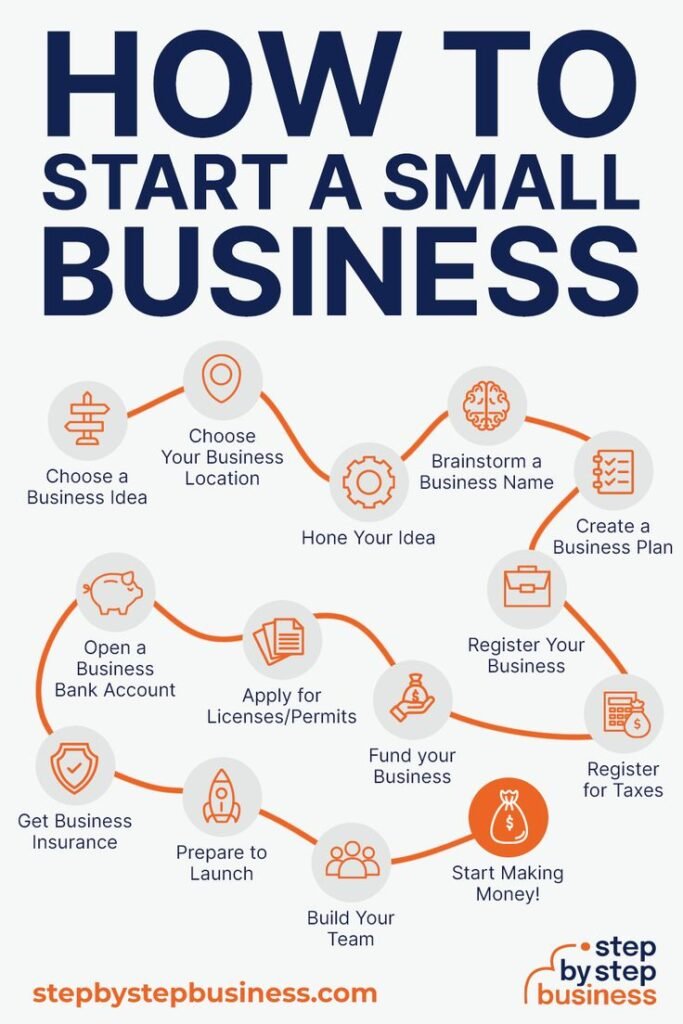
Can You Start as a Freelancer and Later Build a Business?
Absolutely.
Many successful entrepreneurs begin as freelancers.
For example:
- A freelance designer starts a design agency.
- A freelance writer launches a content marketing company.
- A freelance developer creates a software company.
- A freelance marketer builds a digital marketing agency.
This approach reduces financial risk while helping you gain valuable experience and clients before expanding into a business.
Tips for Success
Whether you choose freelancing or business, follow these best practices:
- Continuously improve your skills.
- Build a strong online presence.
- Deliver high-quality work or products.
- Focus on customer satisfaction.
- Invest in marketing.
- Manage your finances wisely.
- Keep learning industry trends.
- Develop multiple income streams.
Conclusion
Both freelancing and business offer exciting opportunities for financial independence, but the right choice depends on your personal goals. Freelancing is ideal for those who want flexibility, low startup costs, and faster income by leveraging their skills. A business, on the other hand, requires more planning and investment but offers greater scalability, brand value, and long-term wealth potential.
Many successful entrepreneurs begin their journey as freelancers, build experience and a client base, and eventually transition into running a business. If you’re just starting out, freelancing can be an excellent first step. If your ambition is to create a lasting brand and generate income beyond your own working hours, building a business may be the better long-term strategy. Ultimately, success comes from choosing the path that aligns with your vision, staying consistent, and continuously improving your skills and strategies.