
Cricket Fitness Tips for Better PerformanceCricket is a game that requires much more than technical skills. Whether you are a batsman, bowler, wicketkeeper, or all-rounder, your fitness plays a crucial role in your overall performance. Modern cricket is faster, more competitive, and physically demanding than ever before. Players need strength, endurance, speed, flexibility, Cricket Fitness Tips for Better Performance and mental focus to perform consistently. A well-planned fitness routine not only improves your game but also reduces the risk of injuries and helps you recover faster after matches.
In this guide, you will discover the best cricket fitness tips that can help players of all skill levels improve their performance on the field.
Why Fitness Matters in Cricket
Fitness is the foundation of successful cricket performance. A fit player can run faster between the wickets, bowl longer spells without fatigue, dive to save boundaries, and maintain concentration throughout long matches.
Some key benefits of cricket fitness include:
- Improved stamina and endurance
- Faster sprinting speed
- Better batting balance
- Increased bowling pace
- Stronger fielding performance
- Reduced injury risk
- Faster recovery after matches
- Improved mental confidence
Cricket Fitness Tips for Better Performance Professional cricketers dedicate several hours every week to fitness training because they know it directly impacts match performance.
Build Strong Cardiovascular Endurance
Cricket matches can last for several hours or even multiple days. Good cardiovascular fitness allows players to stay energetic throughout the game.
Effective cardio exercises include:
- Running
- Jogging
- Cycling
- Swimming
- Rowing
- Skipping rope
- HIIT (High-Intensity Interval Training)
Cricket Fitness Tips for Better Performance Aim for at least 30–45 minutes of cardio training four to five times per week. Interval training is especially useful because cricket involves repeated bursts of high-intensity movement.
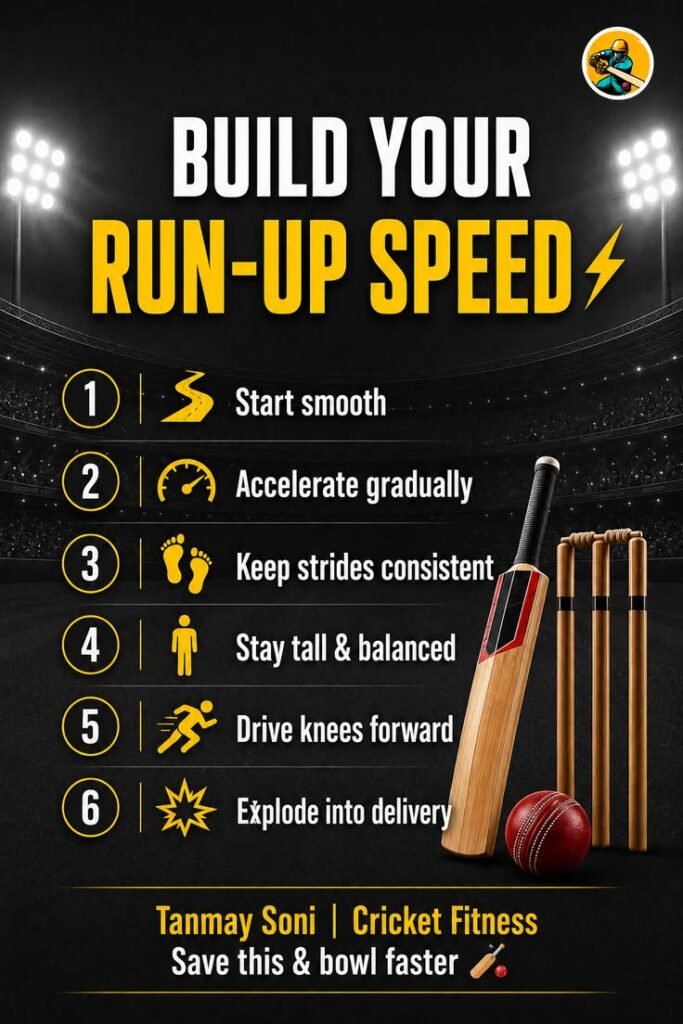
Improve Your Running Speed
Quick running between the wickets can change the outcome of a match. Speed also helps fielders chase balls and bowlers maintain momentum.
Exercises for improving speed include:
- Sprint drills
- Hill sprints
- Resistance running
- Ladder drills
- Cone drills
- Shuttle runs
Focus on explosive starts and quick acceleration rather than only long-distance running.
Strength Training for Cricket Players
Cricket Fitness Tips for Better Performance Strength training improves power, stability, and injury prevention. Every cricket player should include resistance training in their weekly routine.
Important exercises include:
Squats
Squats strengthen your legs and improve batting stability, bowling power, and running speed.
Deadlifts
Deadlifts develop total-body strength and improve posture.
Lunges
Lunges increase balance and strengthen each leg independently.
Bench Press
This exercise builds upper-body strength for throwing and batting.
Pull-Ups
Pull-ups improve grip strength and shoulder stability.
Push-Ups
Push-ups strengthen the chest, shoulders, and arms while improving endurance.
Perform strength workouts two to four times per week while maintaining proper form.
Core Strength is Essential
Cricket Fitness Tips for Better Performance A strong core supports every movement in cricket.
Benefits include:
- Better batting balance
- Powerful bowling action
- Improved throwing accuracy
- Injury prevention
- Better posture
Core exercises include:
- Planks
- Side planks
- Russian twists
- Leg raises
- Bicycle crunches
- Mountain climbers
Train your core three times each week.
Increase Flexibility and Mobility
Flexible muscles move more efficiently and are less likely to become injured.
Daily stretching should include:
- Hamstring stretches
- Hip flexor stretches
- Shoulder mobility exercises
- Back stretches
- Ankle mobility drills
- Neck stretches
Yoga is also highly effective for improving flexibility, breathing, and recovery.
Practice Cricket-Specific Agility Drills
Agility allows players to change direction quickly.
Useful drills include:
- Cone zig-zag runs
- Ladder footwork
- Side shuffles
- Reaction ball drills
- Shuttle runs
- Partner reaction drills
Improved agility leads to better fielding and quicker movement around the crease.
Focus on Proper Nutrition
Fitness is impossible without a healthy diet.
Eat foods rich in:
Protein
Protein repairs muscles after training.
Sources include:
- Chicken
- Fish
- Eggs
- Milk
- Paneer
- Lentils
- Beans
Healthy Carbohydrates
Carbohydrates provide energy for practice and matches.
Choose:
- Brown rice
- Oats
- Whole wheat bread
- Sweet potatoes
- Fruits

Healthy Fats
Healthy fats support recovery and hormone production.
Good options include:
- Almonds
- Walnuts
- Peanuts
- Olive oil
- Avocados
- Seeds
Stay Properly Hydrated
Dehydration reduces concentration, stamina, and reaction time.
Drink:
- Water throughout the day
- Electrolyte drinks during long matches
- Coconut water after training
Avoid sugary soft drinks before practice sessions.
Never Skip Warm-Up
A proper warm-up prepares your muscles for activity.
A good warm-up includes:
- Light jogging
- Arm circles
- High knees
- Butt kicks
- Dynamic stretching
- Mobility exercises
Spend at least 10–15 minutes warming up before every practice session or match.
Recovery is Just as Important
Muscles grow stronger during recovery.
Recovery tips include:
- Sleep 7–9 hours daily
- Stretch after training
- Foam rolling
- Ice baths when necessary
- Light walking after matches
- Rest days every week
Ignoring recovery often leads to injuries and poor performance.
Improve Hand-Eye Coordination
Cricket depends heavily on quick reactions.
Exercises include:
- Tennis ball wall catches
- Reaction ball drills
- Juggling
- Slip-catching practice
- Colored ball reaction drills
Practice these drills regularly to sharpen reflexes.
Build Mental Fitness
Mental strength is equally important in cricket.
Ways to improve mental fitness:
- Meditation
- Deep breathing
- Positive visualization
- Goal setting
- Match simulation
- Maintaining confidence
Professional players train their minds alongside their bodies.
Maintain Consistency
Fitness improvements require patience.
Weekly routine example:
- Monday: Strength + Core
- Tuesday: Cardio + Speed
- Wednesday: Agility + Flexibility
- Thursday: Strength + Batting Practice
- Friday: Cardio + Fielding
- Saturday: Match Simulation
- Sunday: Recovery and Stretching
Following a regular schedule helps build long-term fitness.
Common Fitness Mistakes to Avoid
Many players unknowingly slow their progress.
Avoid these mistakes:
- Skipping warm-ups
- Overtraining
- Poor sleep habits
- Eating unhealthy foods
- Ignoring hydration
- Neglecting flexibility
- Using incorrect exercise techniques
- Training without rest days
Correcting these habits will improve both performance and recovery.
Final Thoughts
Cricket is a demanding sport that rewards players who combine technical skills with excellent physical fitness. Building endurance, strength, speed, flexibility, and mental toughness will help you perform better in every aspect of the game. By following a structured fitness routine, eating a balanced diet, staying hydrated, and allowing your body enough time to recover, you can enhance your performance while reducing the risk of injuries. Remember that consistency is the key to success. Small improvements made every day will lead to significant gains over time, helping you become a stronger, faster, and more confident cricketer on the field.