
A healthy diet is one of the most important foundations of a strong and active lifestyle. The foods we eat every day provide the energy, vitamins, minerals, protein, healthy fats, and other nutrients our body needs to function properly. While there is no single food that can provide every nutrient, including a variety of nutritious foods in your daily meals can support overall health and well-being. A balanced diet can also help maintain a healthy weight, support digestion, improve energy levels, and strengthen the body. Below are 10 nutritious foods that can be included regularly as part of a balanced eating pattern.
1. Eggs
Eggs are a convenient and nutritious food that can be included in breakfast, lunch, or dinner. They provide high-quality protein and contain several important vitamins and minerals. Eggs are especially useful for people who want to support muscle maintenance because protein helps the body repair and maintain tissues. They can be boiled, scrambled, poached, or added to healthy recipes. Pairing eggs with vegetables and whole-grain foods can make a balanced meal.
2. Leafy Green Vegetables
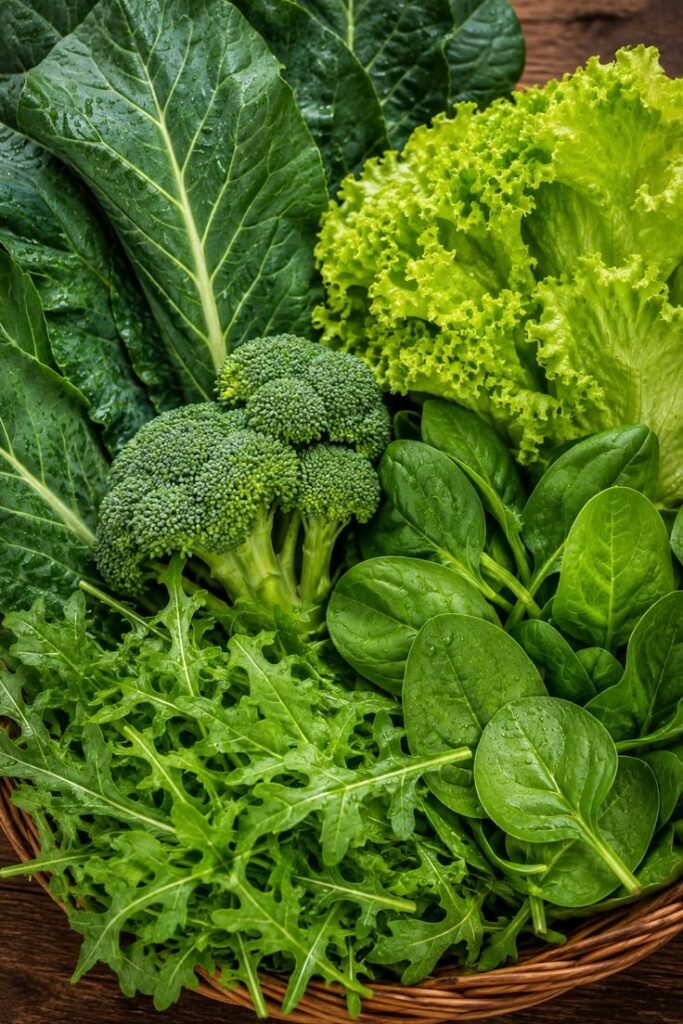
Leafy greens such as spinach, kale, fenugreek leaves, and other green vegetables are excellent additions to a healthy diet. They are generally low in calories while providing fiber, vitamins, minerals, and beneficial plant compounds. Including leafy vegetables in meals can support digestion and Healthy Diethelp increase overall vegetable intake. You can add them to salads, soups, curries, smoothies, or vegetable dishes. Eating a variety of vegetables is better than relying on only one type.
3. Fruits
Fruits are naturally sweet foods that provide fiber, vitamins, minerals, and various plant nutrients. Apples, bananas, oranges, berries, guava, papaya, and seasonal fruits can all be part of a balanced diet. Fruit can be an easy snack when you want something nutritious between meals. Whole fruits are generally preferable to fruit juices because they retain their natural fiber. Try choosing different colored fruits throughout the week to enjoy a wider variety of nutrients.
4. Nuts and Seeds
Nuts and seeds are small foods packed with nutrients. Almonds, walnuts, peanuts, pumpkin seeds, sunflower seeds, and chia seeds can provide protein, fiber, healthy fats, vitamins, and minerals. Because nuts and seeds are energy-dense, portion size is important. A small serving can be added to breakfast, yogurt, oatmeal, salads, or smoothies. Choosing unsalted or minimally processed varieties can make them a healthier everyday option.
5. Whole Grains
Whole grains such as oats, brown rice, whole-wheat products, millet, quinoa, and other minimally processed grains can provide carbohydrates for energy along with fiber and other nutrients. Compared with refined grains, whole grains generally retain more of the grain’s natural components. They can help make meals more filling and contribute to a balanced eating pattern. Try replacing some refined-grain foods with whole-grain alternatives according to your personal dietary preferences.
6. Yogurt
Plain yogurt can be a useful addition to a healthy diet because it provides protein and calcium. Some yogurts also contain live cultures that may support a healthy digestive system. Yogurt can be eaten with fruit and nuts as a snack or included alongside meals. When choosing packaged yogurt, check the nutrition label and consider options with less added sugar. People who cannot tolerate dairy can explore suitable fortified alternatives based on their dietary needs.
7. Beans and Lentils
Beans, lentils, chickpeas, and other legumes are excellent sources of plant-based protein and dietary fiber. They can be especially valuable for people following vegetarian or plant-focused diets. Legumes can be used in dals, soups, salads, curries, wraps, and other meals. Their combination of protein and fiber can make meals satisfying. Including different types of beans and lentils throughout the week is an easy way to increase variety in your diet.
8. Fatty Fish
Fatty fish such as salmon, sardines, mackerel, and similar varieties can provide protein and omega-3 fatty acids. These nutrients play important roles in normal body functions, including supporting heart and brain health. If you eat fish, adding suitable fish to your meals can be part of a balanced dietary pattern. Preparation also matters, so grilled, baked, steamed, or lightly cooked fish may be preferable to heavily fried preparations.
9. Avocado
Avocado contains healthy unsaturated fats along with fiber and several vitamins and minerals. Healthy fats are an important part of a balanced diet and can help make meals more satisfying. Avocado can be added to whole-grain toast, salads, sandwiches, wraps, or homemade dips. Since it is relatively calorie-dense, a moderate portion is usually enough. If avocados are not readily available, other sources of unsaturated fats can also be included.

10. Water
Although water is not a food, it deserves an important place in a healthy daily routine. The body needs water for many essential functions, including temperature regulation and normal physical processes. Individual fluid needs vary depending on factors such as activity level, climate, diet, and overall health. Drinking water regularly throughout the day is a simple way to support hydration. Water can also be a better everyday choice than sugary drinks, which can add significant amounts of sugar to the diet.
How to Build a Balanced Daily Diet
Eating these foods does not mean that you need to eat all 10 every single day. A healthy diet is about overall balance, variety, and appropriate portions. Try building meals around vegetables, fruits, whole grains, protein-rich foods, and healthy sources of fat. For example, breakfast could include eggs with whole-grain toast and fruit. Lunch might include dal, brown rice, vegetables, and yogurt. A snack could include fruit with a small portion of nuts, while dinner could include vegetables with beans, whole grains, or fish.
It is also important to limit excessive amounts of highly processed foods, added sugars, excess salt, and unhealthy fats. Reading nutrition labels can help you make informed choices when purchasing packaged foods. Healthy eating does not require completely avoiding your favorite foods. Instead, focus on moderation and make nutritious foods the main part of your regular meals.
Conclusion
A healthy diet does not have to be complicated. Foods such as eggs, leafy green vegetables, fruits, nuts, seeds, whole grains, yogurt, beans, lentils, fatty fish, and healthy-fat sources can provide a wide range of important nutrients. Water should also be a regular part of your daily routine. The key is to eat a varied diet with appropriate portions and choose foods that fit your nutritional needs, lifestyle, culture, and preferences. Small, consistent improvements in everyday eating habits can make healthy living easier and more sustainable over time.