
Introduction
Sports Recovery Tips Sports training is important for building strength, improving stamina, increasing flexibility, and developing overall fitness. However, physical activity can put stress on your muscles and body. After an intense workout or sports session, your body needs proper recovery to repair muscles, restore energy, and prepare for the next training session. Recovery is just as important as exercise because it helps athletes improve performance and reduce the risk of injuries. Whether you play cricket, football, basketball, badminton, or enjoy gym workouts, following healthy recovery habits can make a big difference. In this article, we will explore 10 smart recovery tips after sports training that can help you stay active, healthy, and stronger.
1. Stay Hydrated After Training
Drinking enough water is one of the most important steps after sports training. During exercise, your body loses water through sweating, which can lead to dehydration if fluids are not replaced. Dehydration may cause tiredness, headaches, muscle cramps, and reduced physical performance.
Drink water before, during, and after your training session. If you participate in long or intense workouts, especially in hot weather, an electrolyte drink may help replace lost minerals such as sodium and potassium. Make hydration a daily habit to support muscle function and overall health.
2. Eat a Healthy Post-Workout Meal
Nutrition plays a major role in muscle recovery. After training, your body needs nutrients to repair damaged muscle tissues and restore energy levels. Eating a balanced meal containing protein and carbohydrates can support this process.
Protein-rich foods such as eggs, milk, yogurt, paneer, chicken, fish, beans, and lentils help repair muscles. Carbohydrate-rich foods such as rice, oats, bananas, potatoes, and whole grains help replenish stored energy.
Try to eat a nutritious meal after your workout instead of skipping meals. A balanced diet can improve recovery and help you perform better during future training sessions.Sports Recovery Tips

3. Get Enough Quality Sleep
Sleep is one of the most powerful natural recovery methods for athletes. During sleep, your body works to repair muscles, restore energy, and support important physical processes.
Lack of sleep can increase tiredness, reduce concentration, and negatively affect sports performance. Most adults should aim for 7–9 hours of quality sleep every night, although individual needs may vary.
To improve your sleep quality, maintain a regular bedtime, avoid excessive screen time before sleeping, and create a comfortable sleeping environment. Good sleep habits help your body recover naturally.
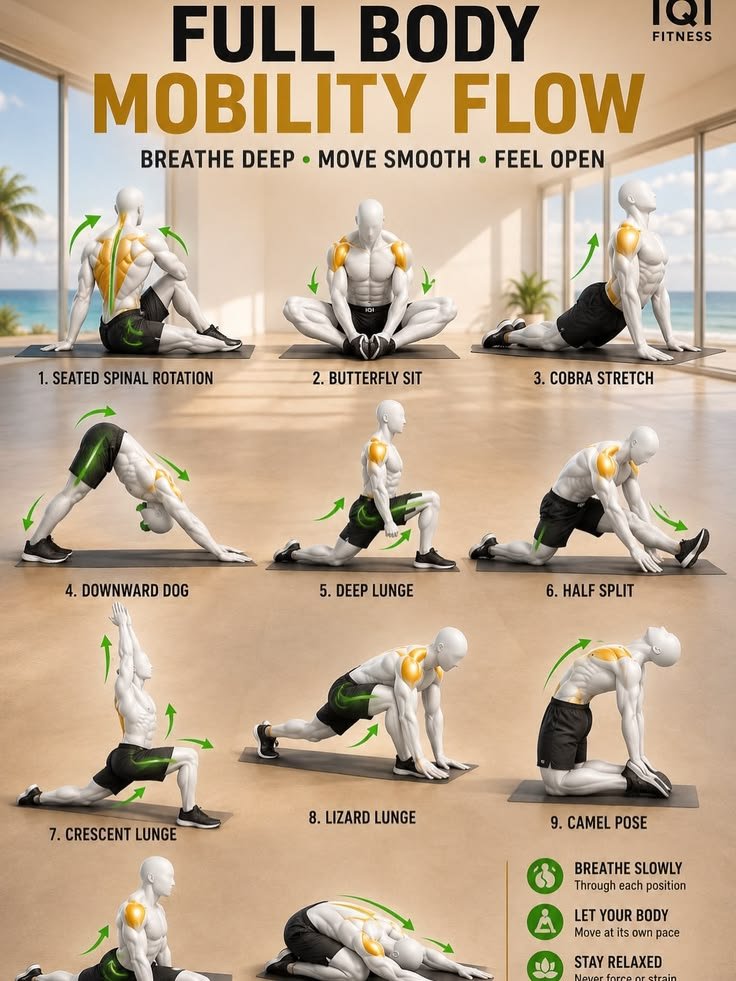
4. Perform Gentle Stretching
Stretching after sports training can help maintain flexibility and reduce feelings of muscle stiffness. After an intense workout, gentle movements and comfortable stretches can help your body gradually return to a resting state.
Focus on the muscles you used during training. For example, football players can stretch their legs, while cricket players may focus on their shoulders, arms, and lower body.
Avoid forcing your muscles into painful positions. Hold each comfortable static stretch for around 15–30 seconds and breathe normally. Remember that stretching should feel gentle rather than painful.Sports Recovery Tips
5. Take Proper Rest Days
Training every day without sufficient rest can increase physical Sports Recovery Tips fatigue and affect performance. Your muscles need time to repair and adapt after challenging workouts.
Schedule rest days according to your training intensity and fitness level. On rest days, you can enjoy light activities such as walking, gentle cycling, or easy mobility exercises.Sports Recovery Tips
Rest does not mean you must remain inactive all day. It means avoiding excessive physical stress and giving your body enough time to recover. A balanced training schedule helps athletes stay consistent and reduce the risk of overtraining.
6. Try Active Recovery Exercises
Active recovery involves performing low-intensity physical activities after demanding training sessions. Instead of doing another intense workout, you can choose gentle exercises that keep your body moving without adding too much stress.
Some useful active recovery activities include:
- Walking for 15–20 minutes.
- Slow cycling.
- Gentle swimming.
- Light yoga.
- Easy mobility exercises.
These activities can help reduce stiffness and maintain movement between intense training sessions. Always keep the intensity low and stop if you experience pain or unusual discomfort.
7. Use Massage and Foam Rolling
Massage and foam rolling are popular recovery techniques among athletes. Sports Recovery Tips They can help reduce the feeling of muscle tightness and improve comfort after intense physical activity.
A foam roller can be used on areas such as the thighs, calves, and upper back. Apply gentle pressure and move slowly over the muscles. Avoid rolling directly over joints, bones, or injured areas.
Professional massage may also help some athletes relax and manage muscle tension. However,Sports Recovery Tips massage and foam rolling should not replace proper nutrition, sleep, hydration, and rest.
8. Take Care of Minor Injuries
Sports activities sometimes cause muscle soreness, swelling, or minor injuries. Paying attention to these signs is important for safe recovery.
If you experience pain, stop the activity and avoid putting unnecessary pressure on the affected area. For a minor injury, protecting the area and following appropriate first-aid advice may help.
Do not ignore severe pain, significant swelling, or difficulty moving a body part. Seek medical attention when necessary, especially if symptoms are getting worse. Returning to sports too early can increase the risk of further injury.
9. Practice Deep Breathing and Relaxation
Sports training does not only affect your muscles; it can also create mental and physical stress. Relaxation techniques can help athletes feel calm and refreshed after challenging sessions.
Deep breathing is a simple way to relax. Sit comfortably, inhale slowly through your nose, and gently exhale. Repeat this process for a few minutes.
You can also try meditation, gentle yoga, or mindfulness exercises. These activities may help improve concentration, reduce stress, and support a healthy connection between your mind and body.

10. Follow a Consistent Recovery Routine
One of the best ways to improve recovery is to create a routine that you can follow regularly. Random recovery habits may not provide the same benefits as a consistent approach.
After every training session, make time for cooling down, hydration, nutritious food, and relaxation. Maintain a regular sleep schedule and include rest days in your weekly fitness plan.
You can also track your energy levels, muscle soreness, sleep quality, and training performance. These simple habits can help you understand how your body responds to exercise and when it needs additional rest.
Benefits of Proper Recovery After Sports Training
Following a proper recovery routine offers several benefits for athletes and fitness enthusiasts.
1. Better Muscle Repair: Proper nutrition and rest support muscle recovery after intense exercise.
2. Improved Performance: Adequate recovery helps you prepare for future training sessions.
3. Reduced Injury Risk: Balanced training and sufficient rest help prevent excessive physical stress.
4. Increased Energy: Sleep, hydration, and healthy food help restore energy levels.
5. Better Mental Focus: Relaxation and quality sleep support concentration and motivation.
6. Improved Flexibility: Gentle mobility exercises can help maintain comfortable movement.
Common Recovery Mistakes Athletes Should Avoid
Even experienced athletes sometimes make mistakes that slow down their recovery. Here are some common habits to avoid:
- Skipping meals after intense workouts.
- Not drinking enough water.
- Ignoring muscle pain or injury symptoms.
- Exercising intensely without rest days.
- Sleeping for too few hours.
- Returning to training before recovering from an injury.
- Overusing stretching or foam rolling techniques.
Avoiding these mistakes can help you develop healthier training habits and improve your overall fitness.
Conclusion
Recovery is an essential part of every sports training routine. It allows your body to repair muscles, restore energy, and prepare for future physical activities. By following these 10 smart recovery tips after sports training, you can support your fitness goals and maintain better athletic performance. Focus on proper hydration, healthy nutrition, quality sleep, gentle stretching, active recovery, and regular rest days. Remember that becoming a better athlete is not only about training harder but also about recovering smarter. Make recovery a daily priority and take small steps toward building a stronger, healthier, and more active lifestyle.